,

What is SAFU in Crypto? Secure Asset Fund for Users Explained

SAFU Meaning in crypto CryptoEmotions

On July 18, 2024, WazirX — India’s most popular crypto exchange at the time — was hacked.

$234.9 million disappeared in a single transaction.

Withdrawals were frozen. 6.6 million users could not access their funds. The question every crypto investor asked: “Are my funds safe on an exchange?”

That question is exactly what SAFU was designed to answer — at least for Binance users.

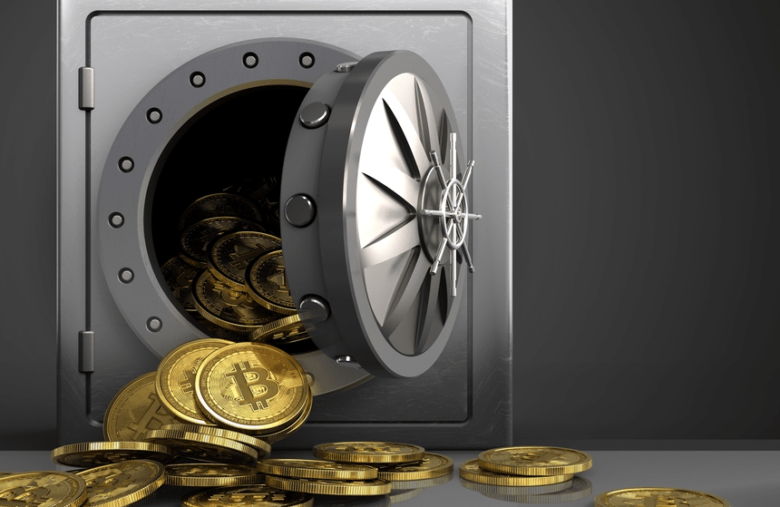
SAFU stands for Secure Asset Fund for Users — an emergency insurance fund that major crypto exchanges maintain to protect customers in exactly this kind of situation.

Understanding SAFU — what it is, what it covers, and crucially, what it does NOT cover — is essential for every crypto investor who keeps funds on an exchange.

What is SAFU?

SAFU (Secure Asset Fund for Users) is an emergency insurance fund created by Binance in July 2018 to protect its users’ funds in extreme situations.

The fund was established after a security vulnerability was discovered on Binance’s platform. Rather than quietly patching it, Binance announced they would set aside 10% of all trading fees permanently into a dedicated emergency fund — money that would never be used for operations, only for protecting users.

The simple version: If Binance is ever hacked, suffers a technical failure, or faces an extreme situation that results in user losses — SAFU is the pool of money available to compensate users.

The Origin — How SAFU Became a Meme

SAFU has an unlikely origin story that explains why it became one of crypto’s most beloved slang terms.

On August 7, 2018, Binance CEO Changpeng Zhao (CZ) tweeted during routine maintenance:

“Funds are safe.”

A popular YouTube creator called Bizonnaci made a parody video — changing “safe” to “SAFU” in a deliberately misspelled, meme-worthy way.

The video went viral. “Funds are SAFU” became a crypto meme — used both genuinely (to reassure people during market panics) and sarcastically (when an exchange was clearly NOT safe).

The meme was so popular that Binance officially adopted the term — naming their actual insurance fund the “Secure Asset Fund for Users” as a nod to the community.

Today “SAFU” serves double duty:

  • Official meaning: Binance’s emergency insurance fund
  • Slang meaning: “Funds are safe” — used with varying degrees of sincerity

How Does SAFU Work?

The Funding Mechanism

Every trade on Binance:
→ Binance collects trading fee
→ 10% of that fee goes to SAFU
→ SAFU grows continuously
→ Currently valued at approximately $1 billion+

This means the more Binance grows — the more SAFU grows. As trading volumes increase, the protection fund increases proportionally.

When Does SAFU Pay Out?

SAFU is activated in “extreme cases” — specifically:

  • Exchange-level security breaches
  • Technical failures causing user losses
  • Situations where Binance’s own security is compromised

SAFU in action — May 2019: Binance suffered a major security breach — hackers stole 7,000 Bitcoin (approximately $40 million at the time). Instead of freezing withdrawals or asking users to absorb losses, Binance used SAFU to cover every affected user completely. No user lost a single satoshi.

This was SAFU’s first major real-world test — and it passed.

What SAFU Does NOT Cover

This is the most important thing to understand about SAFU.

SAFU does NOT cover:

❌ Losses from your own trading decisions
❌ Market crashes or price declines
❌ Losses from personal wallet hacks
❌ Phishing attacks on your own account
❌ Losses if YOU gave away your password
❌ Losses from DeFi protocol failures
❌ Losses on other exchanges

SAFU ONLY covers:

✅ Exchange-level security breaches
✅ Technical failures on Binance's side
✅ Situations where Binance is at fault

If you click a phishing link and someone drains your Binance account — SAFU does not help you. The breach happened on your side, not Binance’s.

SAFU vs Other Exchange Protection Funds — India Comparison

After WazirX’s $234.9 million hack, Indian investors became acutely aware of exchange security. Here is how major exchanges compare on user protection:

ExchangeProtection FundAmountStatus
BinanceSAFU$1 billion+✅ Active
CoinDCXInvestor Protection Fund₹57.5 crore✅ Active
KrakenCrime insuranceUndisclosed✅ Active
CoinbaseFDIC (USD only) + crime insuranceVaries✅ Active
WazirXNone❌ None
ZebPayNot disclosed🟡 Unknown

The WazirX contrast: WazirX had no dedicated user protection fund. When $234.9 million was hacked, there was no SAFU-equivalent to draw from. Users received only partial compensation through a complex restructuring process — and many are still waiting.

Read more: WazirX Hack Explained

SAFU in 2026 — How Binance Uses It

Binance stores SAFU funds in:

  • BTC (Bitcoin)
  • BNB (Binance’s native token)
  • BUSD/USDT (Stablecoins)

The fund’s value fluctuates with crypto prices — but Binance maintains it at a target of approximately $1 billion in value.

Binance publishes the SAFU wallet address publicly — so anyone can verify the fund exists and check its current balance on-chain. This transparency is a significant trust signal.

Is SAFU Enough? The Honest Answer

SAFU is genuinely valuable — it has proven itself in real emergencies. The 2019 Binance hack was handled perfectly, with zero user losses.

But SAFU is not unlimited protection:

The scale problem: In a truly catastrophic hack — like if Binance suffered a WazirX-level breach proportional to its size — $1 billion might not cover all losses. Binance holds hundreds of billions in user assets. SAFU represents a fraction of total assets under custody.

The “not your keys” problem: SAFU only matters if you keep funds on Binance. Any funds in your own hardware wallet (Ledger, Trezor) are protected by your own private keys — not by any exchange fund.

The bottom line: SAFU is excellent protection for active trading funds on Binance. For long-term holdings — your own hardware wallet remains the safest option regardless of any exchange’s insurance fund.

How to Say “SAFU” — The Slang Guide

Since SAFU lives in both official and meme worlds, here is how the crypto community uses it:

Genuine use: “Binance just announced maintenance — are funds SAFU?” → Asking if the exchange is secure during downtime

Reassuring use: “Don’t panic sell — your Bitcoin is SAFU if you hold your own keys.” → Telling someone their funds are safe

Sarcastic use: “Another exchange hacked — funds are definitely SAFU 🙄” → Mocking exchanges that claim safety without evidence

Community use: During the 2022 FTX collapse — “#FundsAreSAFU” trended sarcastically as millions realized their FTX funds were most definitely not SAFU.

FAQs — What is SAFU in Crypto?

What does SAFU mean in crypto?

SAFU stands for Secure Asset Fund for Users — Binance’s emergency insurance fund worth approximately $1 billion, funded by 10% of trading fees, used to protect users in extreme situations like exchange hacks.

Where did SAFU come from?

SAFU originated from a meme. After Binance CEO CZ tweeted “Funds are safe” in 2018, a YouTube creator parodied it as “Funds are SAFU.” The meme went viral, and Binance officially adopted the term for their insurance fund.

Does SAFU protect against all losses?

No. SAFU only covers exchange-level security breaches and technical failures on Binance’s side. It does not cover personal account hacks, phishing attacks, trading losses, or market crashes.

Has SAFU ever been used?

Yes — in May 2019, Binance was hacked for 7,000 BTC (~$40 million). SAFU covered the entire loss with no user impact. This was SAFU’s most significant real-world test.

Do Indian exchanges have SAFU?

CoinDCX has a dedicated ₹57.5 crore Investor Protection Fund — India’s equivalent of SAFU. WazirX had no such fund, which contributed to the severe impact of their 2024 $234.9 million hack.

Is my crypto SAFU on Binance India?

Binance India is FIU-registered and connected to Binance’s global SAFU fund. However, for large holdings, consider using a personal hardware wallet — SAFU protects exchange-level incidents, not individual account compromises.

What is the SAFU fund worth?

Binance maintains SAFU at approximately $1 billion+ in value. The fund’s exact value fluctuates with crypto prices. Binance publishes the wallet address publicly for on-chain verification.

Conclusion

SAFU went from a YouTube meme to one of the most important concepts in crypto exchange security.

The 2019 Binance hack proved that SAFU works — real money, real emergency, zero user losses. The 2024 WazirX hack proved what happens without one — real money, real emergency, millions of users still waiting for compensation years later.

The lesson is clear: when choosing a crypto exchange, look beyond trading fees and coin selection. Ask whether the exchange has a dedicated user protection fund — and whether it has ever had to use it.

SAFU is not just a meme. For Binance’s 297 million users, it is the difference between “funds are safe” and “funds are SAFU.”

In crypto, those two phrases mean very different things.

Disclaimer: This article is for educational purposes only. Exchange protection funds do not guarantee against all losses. Always do your own research before choosing a crypto exchange.

Leave a Reply