December 18, 2013. Bitcoin had just crashed 39% in 24 hours — from $716 to $438.
The crypto community was in panic. Forums were full of people debating whether to sell everything or hold on. And somewhere on the BitcoinTalk forum, a user named GameKyuubi — by his own admission, slightly drunk on whiskey — sat down at his keyboard and typed one of the most famous posts in internet history.
The title? “I AM HODLING.”
He knew it was a typo the moment he typed it. He even admitted it in the first line: “I type d that tyitle twice because I knew it was wrong the first time. Still wrong. w/e.”
He didn’t fix it. And that one drunk, typo-filled rant accidentally created a word that millions of crypto investors would go on to live by.
What Does HODL Mean?
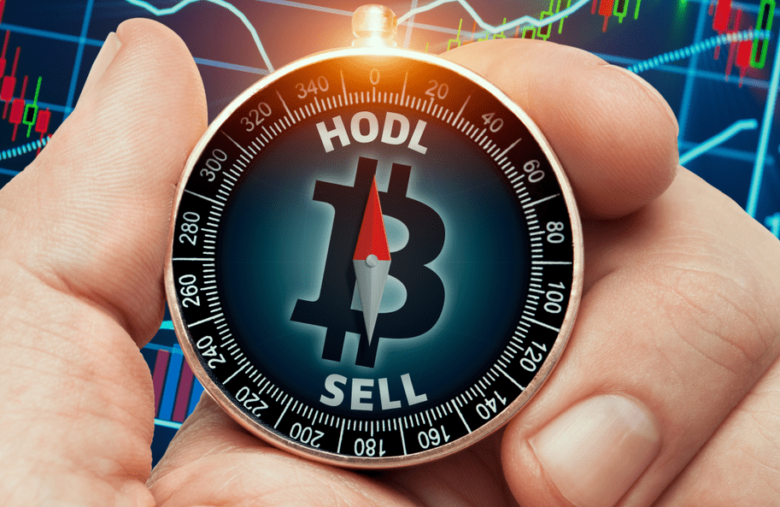
HODL means holding cryptocurrency instead of selling it — regardless of whether prices are going up or crashing down.
It started as a simple typo of the word “hold” — but over time, the crypto community turned it into something more. Today it is also used as a backronym: Hold On for Dear Life — a phrase that perfectly captures the feeling of watching your portfolio drop 50% and choosing to stay in anyway.
A person who HODLs is called a HODLer — someone who buys cryptocurrency and refuses to sell, believing the long-term value will far exceed whatever short-term pain they endure.
In short:
- Trader = buys and sells frequently, trying to time the market
- HODLer = buys and holds, ignoring short-term price swings
The Full Story — How HODL Was Born
December 2013 — The Moment That Started Everything
To understand why GameKyuubi’s post hit so hard, you need to understand what was happening in Bitcoin’s world that week.
In 2013, Bitcoin had gone on one of its most extraordinary runs in history — surging from $15 in January to over $1,100 by early December. Then, reports emerged of a Chinese crackdown on Bitcoin. In 24 hours, Bitcoin fell 39% — from $716 to $438.
Panic spread everywhere. Traders were dumping. Forum threads were full of fear.
Into this chaos, GameKyuubi posted his now-legendary rant. The full post is something to behold. Some key lines:
“WHY AM I HODLING? I’LL TELL YOU WHY. It’s because I’m a bad trader and I KNOW I’M A BAD TRADER.”
“You only sell in a bear market if you are a good day trader or an illusioned noob. The people in between hold.”
“In a zero-sum game such as this, traders can only take your money if you sell.”
It was drunk, typo-laden, and completely incoherent in places. It was also — buried under all the chaos — genuinely brilliant investing philosophy. And the internet loved it instantly.
Within hours, HODL memes were spreading. Someone referenced a Fight Club quote: “The first rule of Bitcoin is you never sell Bitcoin.” A Nike parody appeared: “Just HODL It.” The word had escaped.
HODL = Hold On for Dear Life
The original HODL was simply a typo — GameKyuubi just misspelled “hold.” But as the word spread, the crypto community retrofitted it into an acronym: Hold On for Dear Life.
This backronym captures something the original typo didn’t: the emotional reality of HODLing.
When Bitcoin crashes 50-80%, HODLing is not passive. It is an active decision to stay — to hold on for dear life — while everything around you screams to sell. The phrase acknowledges how genuinely difficult it is to watch your portfolio bleed and do nothing.
That tension is why “Hold On for Dear Life” resonated so deeply. It was honest about the pain, while still being an instruction to hold.
Does HODLing Actually Work? — The Data
GameKyuubi’s drunken philosophy turns out to be backed by significant evidence.
Bitcoin HODLers — Historical Returns
| Entry Point | Bitcoin Price | Value in June 2026 | Return |
|---|---|---|---|
| January 2013 | $15 | ~$61,000 | +406,567% |
| December 2013 (GameKyuubi’s crash) | $438 | ~$61,000 | +13,826% |
| January 2017 | $1,000 | ~$61,000 | +6,000% |
| December 2018 (bear market low) | $3,200 | ~$61,000 | +1,806% |
| March 2020 (COVID crash) | $4,000 | ~$61,000 | +1,425% |
| November 2022 (FTX crash low) | $16,000 | ~$61,000 | +281% |
Every single HODLer who bought Bitcoin and held through the crashes — regardless of when they bought — is in profit as of June 2026.
The Trader Problem
Here’s what makes HODLing so compelling: most traders underperform HODLers.
Study after study in traditional markets shows that most retail traders lose money trying to time the market. In crypto, where volatility is 3-5x higher than stocks, the problem is even worse.
GameKyuubi identified this in his drunken post: the average person is not a skilled enough trader to consistently profit from short-term moves. Professional traders have algorithms, real-time data, and years of experience. The average investor trying to trade crypto is playing against them.
HODLing sidesteps this entirely. You don’t need to time the market. You just need to be right about the long-term direction.
HODLing vs Trading — Honest Comparison
| HODLing | Trading | |
|---|---|---|
| Skill required | Low | High |
| Time required | Minimal | Significant |
| Stress | Low (if you can stomach volatility) | Very High |
| Tax efficiency | Better (fewer taxable events) | Worse (every trade is taxable) |
| Historical performance | Strong for Bitcoin long-term | Most retail traders lose money |
| Best for | Believers in long-term crypto value | Experienced, disciplined traders |
Famous HODLers — Real People Who Won
Michael Saylor
The CEO of Strategy (formerly MicroStrategy) is perhaps the world’s most famous institutional HODLer. His company began buying Bitcoin in 2020 and has never sold a single coin. As of 2026, Strategy holds over 500,000 BTC — and Saylor has become one of crypto’s most vocal advocates for the “never sell” philosophy.
The Winklevoss Twins
Cameron and Tyler Winklevoss reportedly bought approximately 1% of all Bitcoin in circulation in 2013. They have largely held through every crash and bull run since. Their estimated Bitcoin holdings are worth billions in 2026.
Early Bitcointalk Users
The most extreme HODLers are the early Bitcoin adopters who bought at $1-15 and never sold. Some of them are now worth hundreds of millions without ever having traded once.
When Should You NOT HODL?
HODLing is not always the right strategy. There are situations where holding forever is not wise:
When to reconsider HODLing:
- The project’s fundamentals have genuinely collapsed (not just the price, but the technology, team, and use case)
- You invested money you cannot afford to lose and now need it for essential expenses
- The coin you hold has been superseded by better technology with no recovery path
- You are holding a small altcoin, not Bitcoin or Ethereum — many small coins never recover
The honest caveat: HODLing works brilliantly for Bitcoin because Bitcoin has recovered from every crash in its history. For smaller altcoins, this is not guaranteed. Many coins from 2017 and 2021 have never recovered from their peaks and likely never will.
HODL selectively: Bitcoin and Ethereum have the strongest track records for recovery. For altcoins, be more selective about which ones are worth HODLing through a crash.
HODL in 2026 — Is It Still Valid?
June 2026. Bitcoin sits at approximately $61,000 — down 51% from its all-time high of $126,000 set in January 2025.
The Fear & Greed Index reads 9 — Extreme Fear.
This is exactly the environment where HODLing is hardest — and, historically, most rewarding.
Every major Bitcoin crash has eventually been followed by a new all-time high. The 2018 crash (-84%) was followed by 2021’s $69,000. The 2022 crash (-77%) was followed by 2025’s $126,000.
There is no guarantee the pattern continues. But for long-term HODLers who understand what they own and why, the 2026 correction looks very similar to every previous one.
GameKyuubi’s logic from 2013 still holds in 2026: if you are not a skilled trader, and you believe in the long-term value of what you hold — HODL.
HODL Related Terms — Crypto Slang You Should Know
| Term | Meaning |
|---|---|
| HODL | Hold your crypto long-term |
| BUIDL | Build — focus on building products, not just holding |
| SPEDN | Spend crypto — use it for purchases |
| HODLer | Someone who holds crypto long-term |
| Paper hands | Someone who sells at the first sign of trouble |
| Diamond hands | Someone who holds no matter what — opposite of paper hands |
| FOMO | Fear of Missing Out — buying because others are profiting |
| FUD | Fear, Uncertainty, Doubt — negative news/sentiment |
| To the moon | Belief that the price will rise dramatically |
| Rekt | Suffered significant financial loss |
FAQs — HODL Meaning in Crypto
What does HODL mean in crypto?
HODL means holding cryptocurrency long-term instead of selling it during price fluctuations. It originated as a typo of “hold” in a 2013 Bitcoin forum post and later became a backronym for “Hold On for Dear Life.”
Who invented HODL?
HODL was accidentally created by a BitcoinTalk forum user named GameKyuubi on December 18, 2013. He posted a drunken rant titled “I AM HODLING” during a Bitcoin crash and admitted it was a typo — but the internet never forgot it.
What does HODL stand for?
Originally it was simply a typo of “hold.” It was later turned into a backronym: Hold On for Dear Life — reflecting the emotional experience of holding crypto through market crashes.
Is HODLing a good strategy?
Historically, HODLing Bitcoin has been one of the most profitable investment strategies of the last decade. Every investor who bought Bitcoin at any point before 2024 and held through all crashes is significantly in profit as of June 2026. However, HODLing works better for established assets like Bitcoin and Ethereum than for smaller altcoins.
What is a HODLer?
A HODLer is someone who holds cryptocurrency long-term regardless of price movements. They buy and hold, resisting the temptation to sell during crashes or take profits at every peak.
What is the difference between HODLing and trading?
HODLing = buy and hold long-term, minimal activity, lower stress, better for most retail investors. Trading = frequent buying and selling to profit from short-term moves, requires significant skill and time, most retail traders lose money.
Should I HODL during a crypto crash?
If you believe in the long-term value of what you hold and have invested money you can afford to leave untouched for years — HODLing through crashes has historically been the right decision for Bitcoin. Never HODL money you genuinely need for living expenses.
Conclusion
One drunk Bitcoin investor’s typo on a December night in 2013 gave the world one of its most enduring investment philosophies.
GameKyuubi wasn’t trying to be wise. He was just frustrated, slightly intoxicated, and honest about being a bad trader. But in admitting that — and choosing to hold instead of trade — he articulated something that professional investors spend years learning:
For most people, most of the time, holding beats trading.
The data backs it up. Every HODLer who bought Bitcoin at any point before 2024 is in profit today. Most retail traders who tried to time Bitcoin’s swings lost money along the way.
In June 2026, with Bitcoin 51% below its all-time high and the Fear & Greed Index at 9, the HODL philosophy is being tested again — just as it was in 2013, 2018, 2020, and 2022.
History suggests the HODLers will be right again. Whether this time is different is the only question that matters — and the honest answer is that nobody knows.
What GameKyuubi knew, though drunk and typing in the dark: when you’re not a good trader, holding beats selling.
Disclaimer: This article is for educational purposes only and does not constitute financial advice. Cryptocurrency investments carry significant risk. Always do your own research before investing.